The universe is a vast and mysterious expanse that continues to baffle scientists and astronomers. While we can observe stars, galaxies, and nebulae, much of the cosmos remains hidden from our direct perception. Two of the most enigmatic components of the universe are dark matter and dark energy. Together, they constitute about 95 percent of the total mass-energy content of the universe, yet they are largely invisible and undetectable through conventional means.
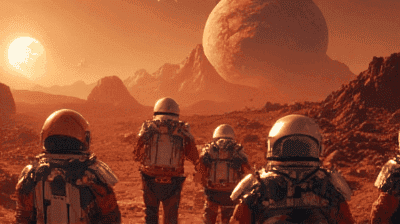
Mars, the fourth planet from the sun, has long captured the imagination of scientists, explorers, and dreamers alike. With its striking red color and Earth-like features, it tantalizes us with the possibility of colonization. Efforts are underway by national space agencies and private companies to explore Mars and eventually establish a human presence there. However, colonizing the Red Planet comes with formidable challenges, ranging from harsh environmental conditions to technological hurdles.
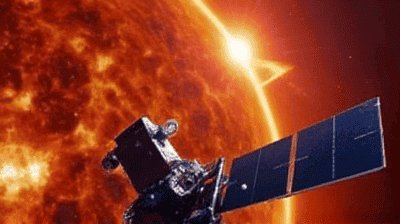
The Sun, a seemingly tranquil ball of fire at the center of our solar system, is anything but peaceful. It regularly emits powerful bursts of energy and charged particles, known as solar storms. These events can have profound effects on space weather, impacting satellites, power grids, and even the technologies that millions of people rely on every day. Understanding solar storms and their potential threats is crucial for protecting our technology and infrastructure.
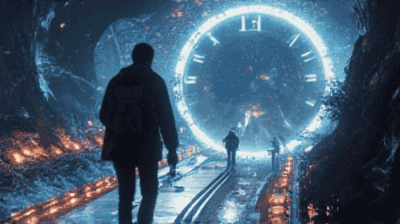
Time travel is a concept that has tantalized humanity for generations. From H.G. Wells' "The Time Machine" to the popular film franchise "Back to the Future," time travel has captivated our imagination, allowing us to ponder the possibilities of visiting the past or exploring the future. But is time travel merely a figment of science fiction, or does it have a basis in scientific theory?
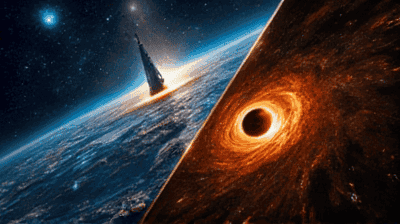
The universe is a fascinating and mysterious place, filled with extraordinary phenomena that stretch the limits of our understanding. Among the most intriguing concepts in modern astrophysics are black holes and wormholes. Both have captured the imagination of scientists, writers, and the public alike, sparking countless discussions, theories, and speculations about their nature and implications for space travel. But what exactly are black holes and wormholes? How do they differ, and is it possible for us t
The possibility of extraterrestrial life has fascinated humanity for centuries. From ancient astronomers gazing at distant stars to modern scientists deploying sophisticated telescopes and spacecraft, the quest to discover life beyond Earth is a driving force in contemporary astronomy and astrobiology. Among the many avenues of exploration, the search focuses on promising locations within our solar system and the broader cosmos, ranging from the subsurface oceans of Europa, a moon of Jupiter, to the signals
Vaccination represents one of the most effective public health strategies for preventing infectious diseases. The ability of vaccines to stimulate an immune response without causing illness has allowed humanity to combat diseases that were once widespread and deadly.